आमचा इतिहास
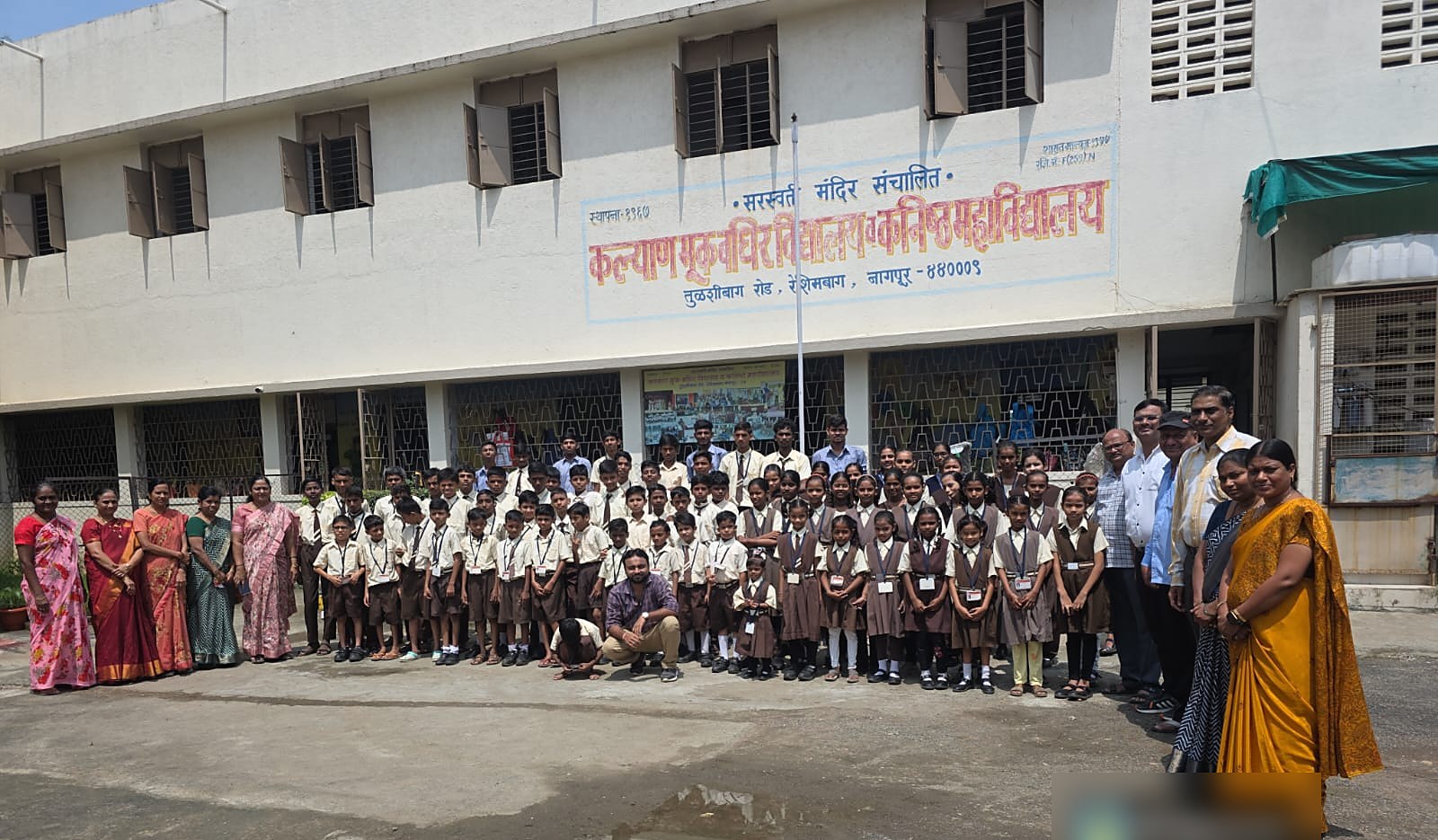
स्थापना : १९६१. अथक परिश्रम, संवेदनशीलता आणि सामाजिक बांधिलकी यांतून उभी राहिलेली 'कल्याण मूकबधिर विद्यालय व कनिष्ठ महाविद्यालय' ही संस्था गेल्या ६ दशकांहून अधिक काळ कर्णबधिर व मूकबधिर मुलांच्या आयुष्यात ज्ञानाचा प्रकाश पसरवत आहे.
आमची प्रेरणा आणि सुरुवात
केवळ ऐकता येत नाही म्हणून बोलता न येणाऱ्या, परंतु सामान्य बुद्धिमत्ता असलेल्या मूकबधिर मुलांची समाजात होणारी हेळसांड पाहून श्री. हरिभाऊ चांद्रायण यांचे मन व्याकूळ झाले. या मुलांमध्ये पूर्ण क्षमता असते, फक्त त्यांना योग्य संधी आणि आस्थेची गरज आहे, या विश्वासाने त्यांनी १९६१ मध्ये या विद्यालयाची पायाभरणी केली.
सुरुवातीच्या काळात शाळेला स्वतःची जागा नव्हती. अशा कठीण प्रसंगी तत्कालीन अध्यक्षा श्रीमती प्रमिलाताई दाणी यांनी मदतीचा हात दिला आणि त्यांच्या महालमधील खाजगी निवासस्थानी ही शाळा भरू लागली. १९६१ ते १९६७ या काळात प्रमिलाताईंच्या वास्तूत राहून बालकांचे संगोपन व शिक्षण झाले, ज्यानंतर शाळा 'सरस्वती मंदिर'च्या वास्तूमध्ये स्थलांतरित करण्यात आली.
आमचे महत्त्वाचे टप्पे
- १९६३ – दिल्ली प्रजासत्ताक दिन परेड : संस्थेच्या इतिहासातील एक सुवर्णक्षण! हरिभाऊ चांद्रायण यांच्या मार्गदर्शनाखाली आमच्या शाळेच्या विद्यार्थ्यांना दिल्लीतील प्रजासत्ताक दिन उत्सवात सहभागी होण्याचा बहुमान मिळाला.
- १९७६ – शासकीय मान्यता : विद्यालयाच्या प्रामाणिक प्रयत्नांची दखल घेत महाराष्ट्र शासनाच्या समाजकल्याण विभागाने शाळेला अधिकृत मान्यता दिली.
- १९७७ – राज्य शासकीय अनुदान : ३० विद्यार्थ्यांच्या मान्यतेसह शाळेला राज्य शासकीय अनुदान मिळण्यास सुरुवात झाली.
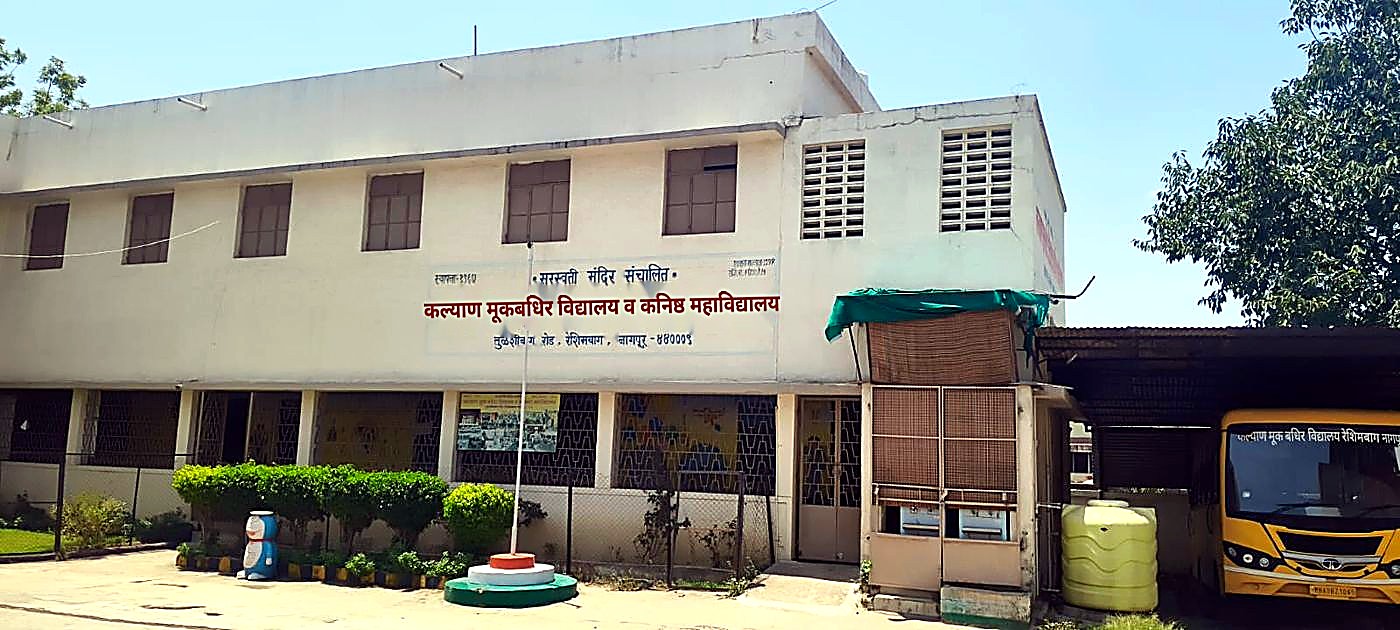
- १९८१ – स्वतःची इमारत (जागतिक अपंग वर्ष) : जागतिक अपंग वर्षाचे औचित्य साधून अनेक दानशूर व्यक्ती आणि संस्थांच्या आर्थिक दातृत्वातून शाळेची स्वतःची हक्काची इमारत उभी राहिली.
- पुढील टप्प्यांत अनुदानित विद्यार्थिसंख्या ४० झाली; टप्प्याटप्प्याने सातवीपर्यंत अनुदानित वर्ग वाढले व ७० विद्यार्थ्यांसाठी अनुदान मिळाले; त्यानंतर दहावीपर्यंत वर्ग वाढवण्यात आले.
- १०० विद्यार्थिसंख्येची मान्यता : २००९ मध्ये राज्य शासनाने शाळेला १०० विद्यार्थिसंख्येची मान्यता दिली; ७० विद्यार्थ्यांसाठी अनुदान असून उर्वरित ३० विद्यार्थी विनाअनुदानित आहेत.
- २०१७ – कनिष्ठ महाविद्यालयाची स्थापना : माध्यमिक शिक्षण पूर्ण केल्यानंतर या मुलांच्या उच्च शिक्षणाची सोय व्हावी म्हणून संस्थेने २०१७ मध्ये 'कनिष्ठ महाविद्यालय' सुरू केले; बारावीची पहिली तुकडी २०१७/२०१८ मध्ये परीक्षेस बसली. आज हे महाविद्यालय सुरळीतपणे सुरू असून अनेक विद्यार्थ्यांना स्वावलंबी बनवत आहे.
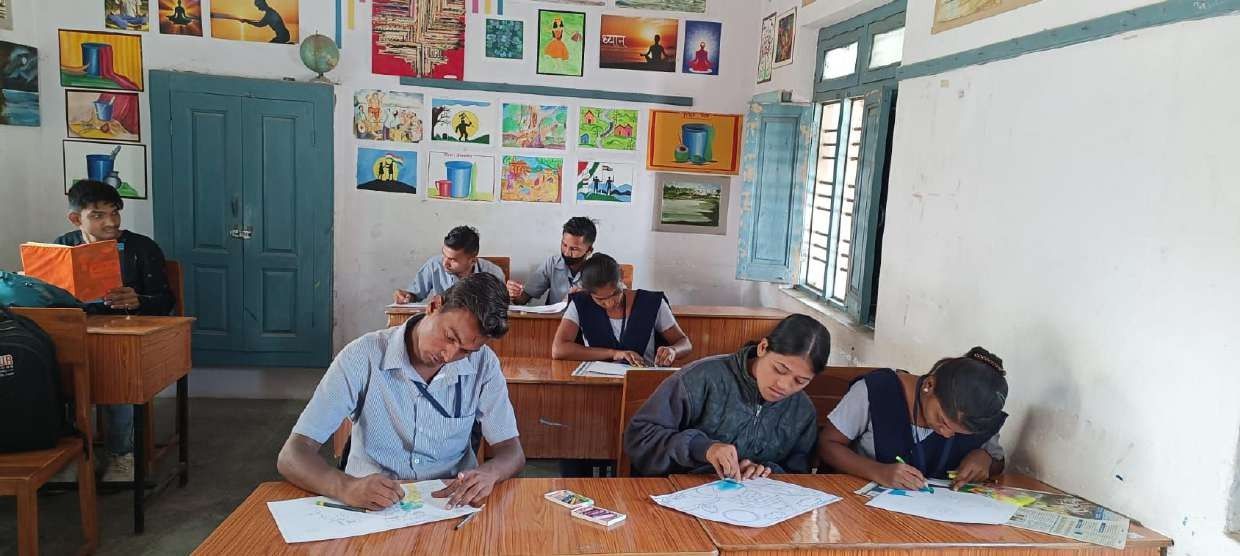
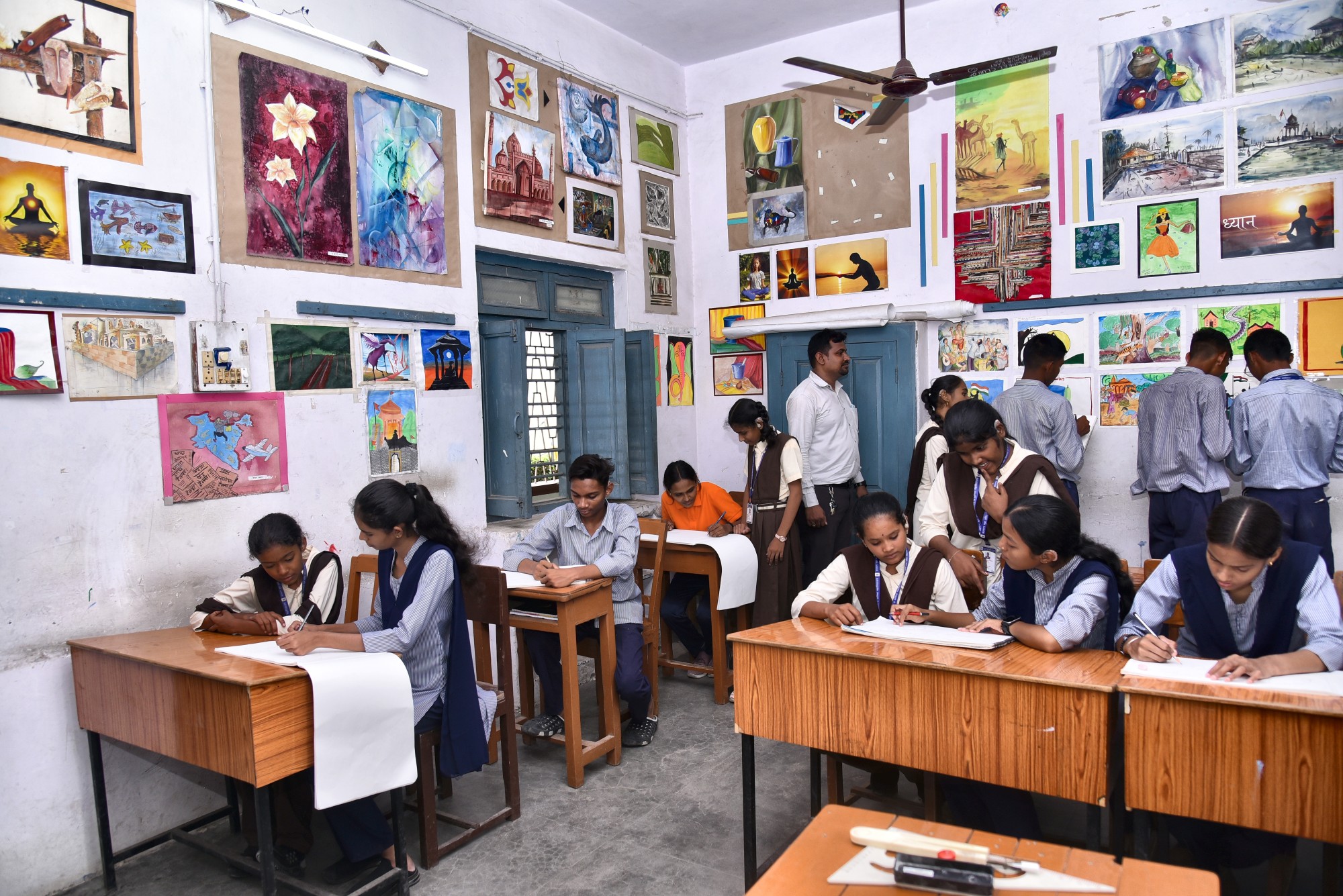
- कनिष्ठ महाविद्यालयातील विशेष विषय : मूकबधिर मुलांना चित्रकला व रेखाटनाची उपजत देणगी असल्याने कनिष्ठ महाविद्यालयात चित्रकला व रेखाचित्र (सिद्धांत व प्रात्यक्षिक) हा विशेष विषय सुरू करण्यात आला. त्यांच्या उत्तम पुनर्वसनासाठी संगणक व माहिती तंत्रज्ञान (सिद्धांत व प्रात्यक्षिक) आणि इंग्रजी भाषा हे विषयही अभ्यासक्रमात समाविष्ट करण्यात आले.
आधुनिक सुविधा आणि विस्तार
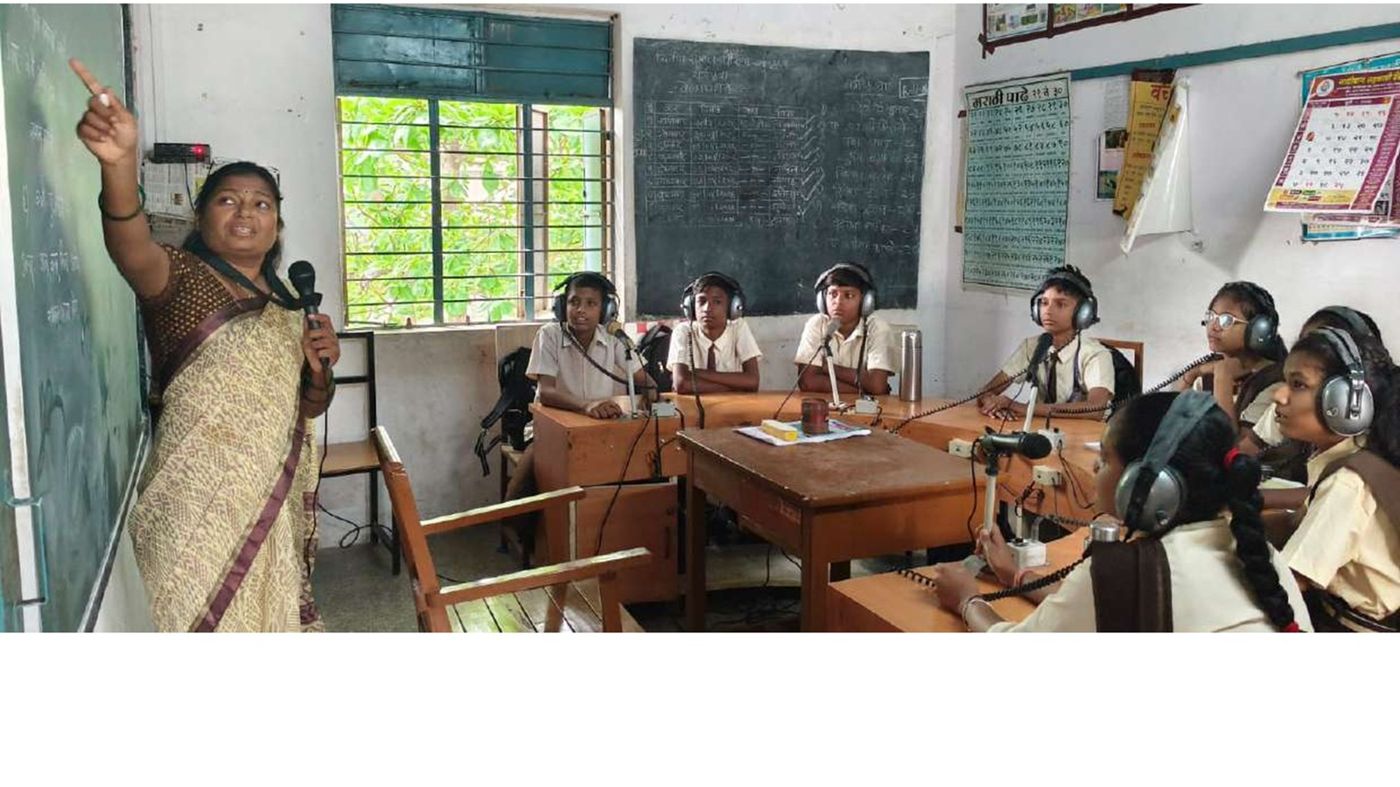
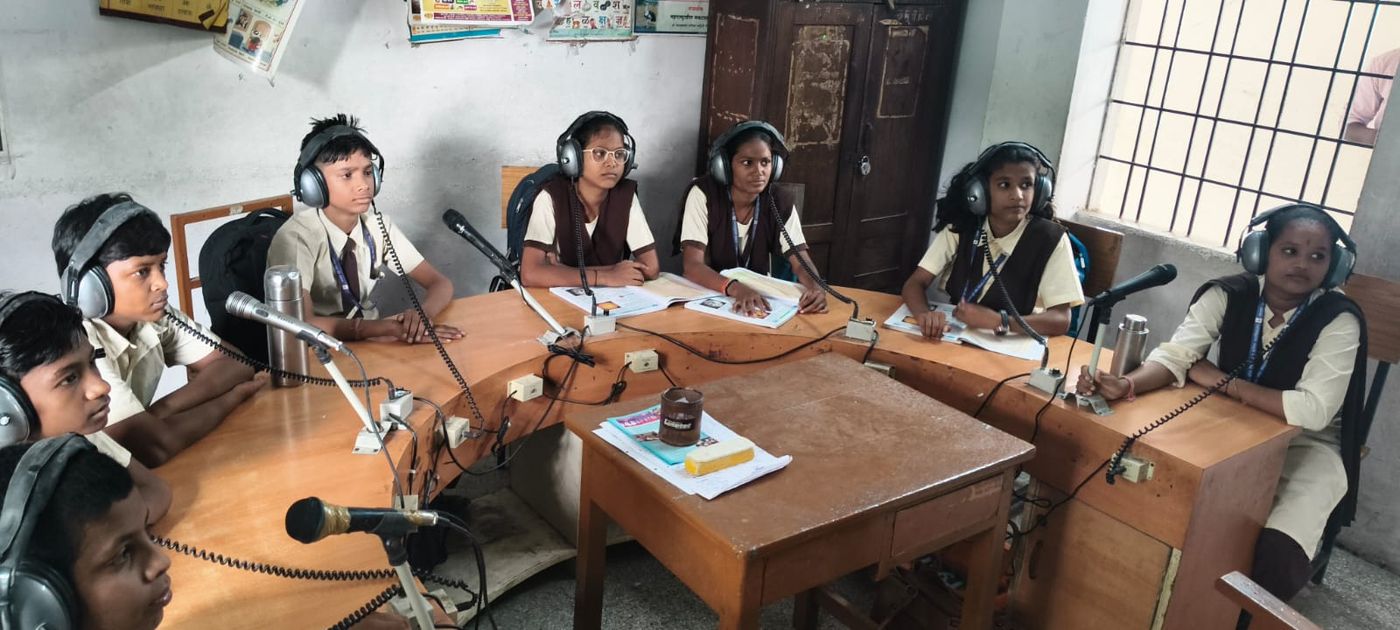
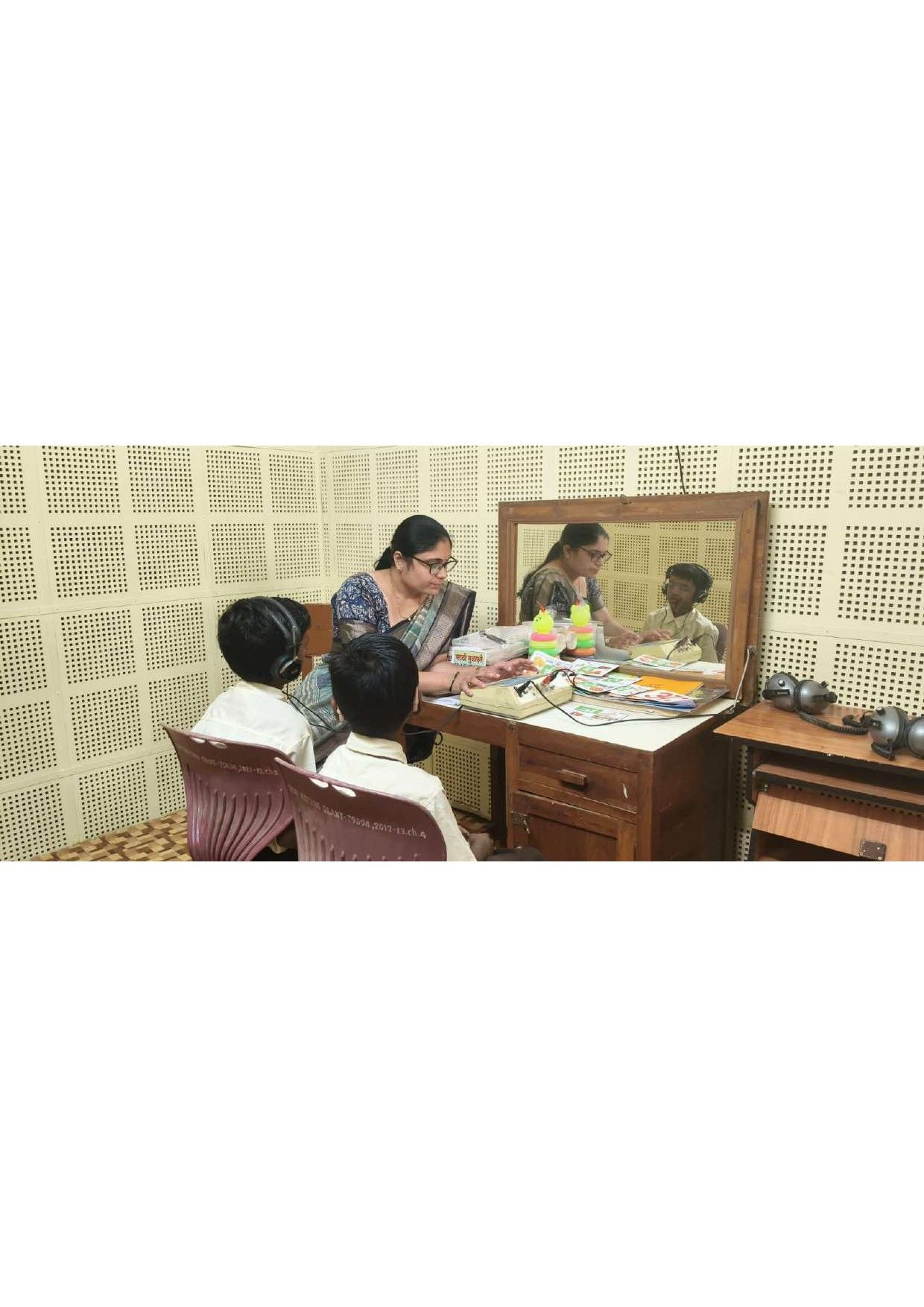
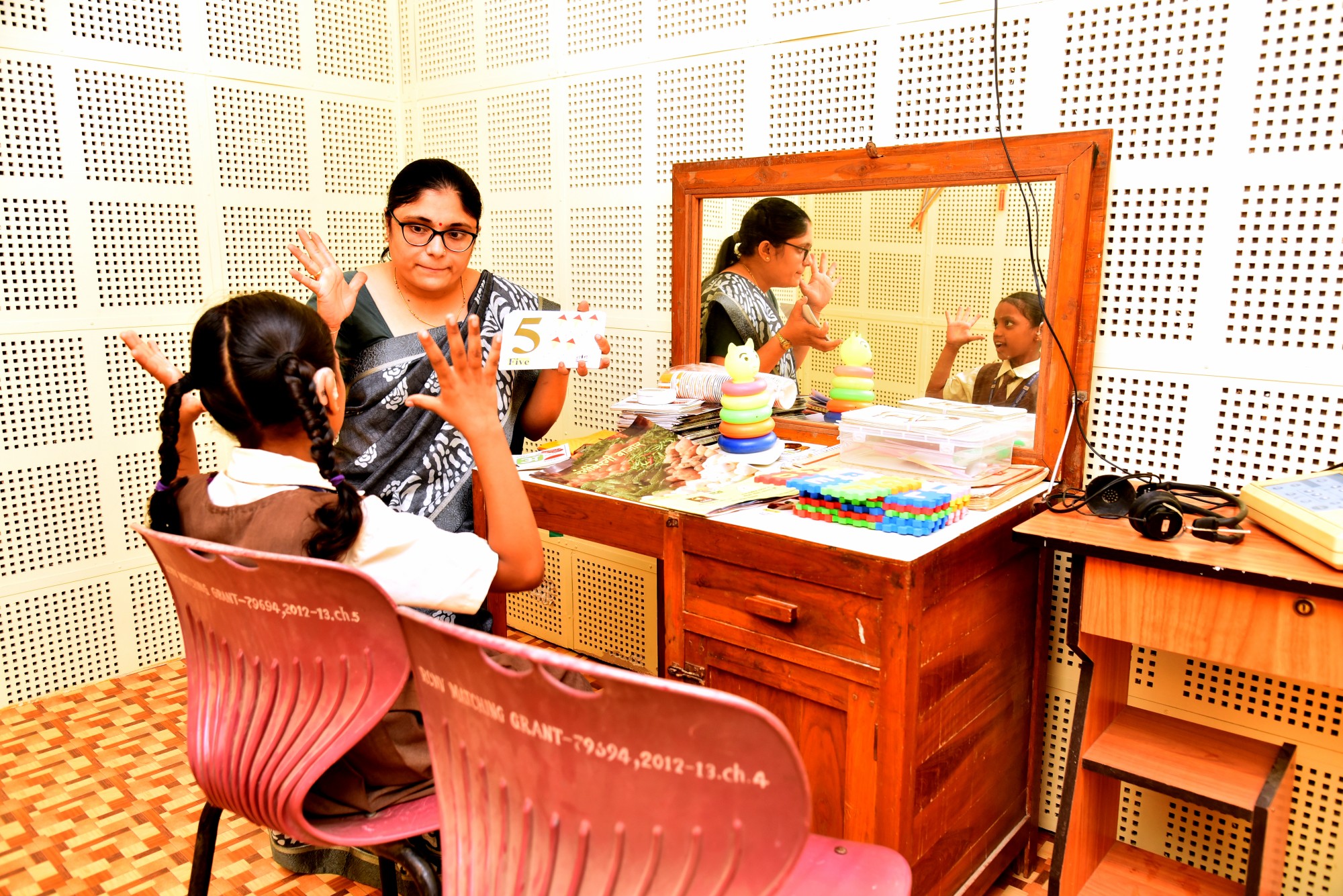
- साउंड प्रूफ स्पीच सेंटर : मूकबधिर मुलांच्या उच्चार आणि भाषा सुधारणेसाठी विद्यालयात अत्याधुनिक 'ध्वनिरोधक भाषा केंद्र' (Soundproof Speech Therapy Centre) उभारण्यात आले आहे.
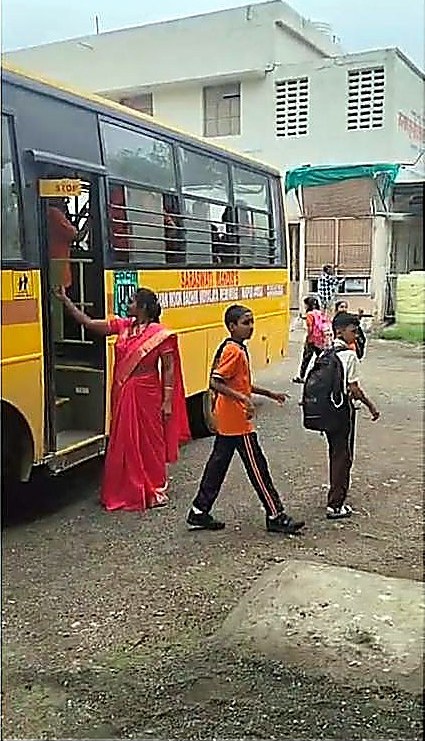
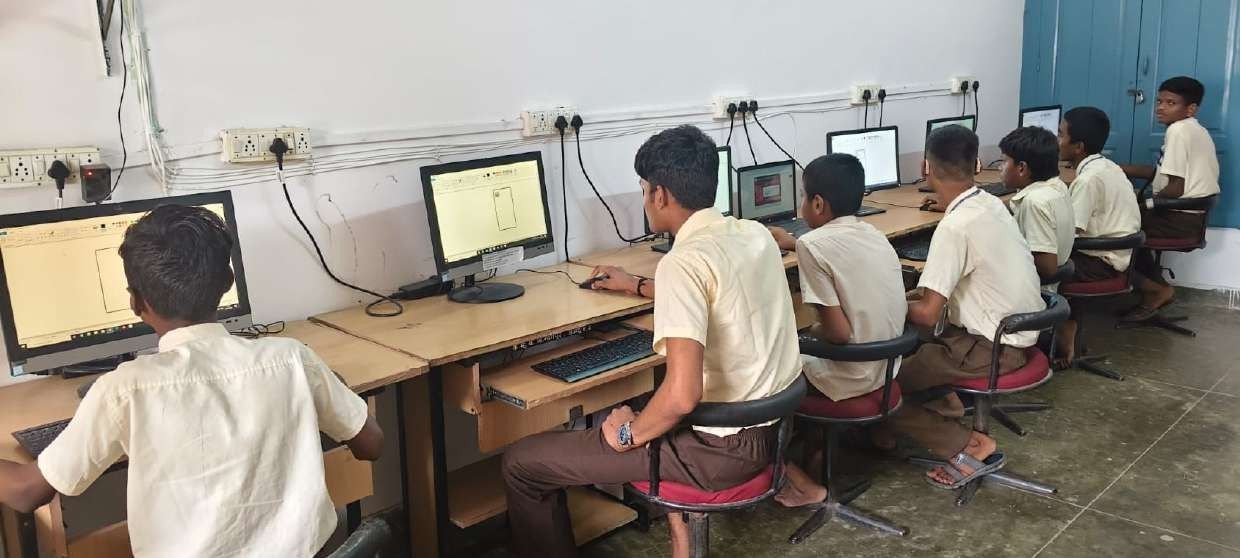
- संगणक प्रयोगशाळा, चित्रकला वर्ग, स्कूल बस यांसारख्या सुविधा विद्यार्थ्यांना उपलब्ध आहेत.
आमचे ध्येय
मूकबधिर आणि कर्णबधिर विद्यार्थ्यांना केवळ साक्षर करणे हे आमचे ध्येय नाही, तर आधुनिक तंत्रज्ञान, थेरपी आणि उच्च शिक्षणाच्या माध्यमातून त्यांना समाजात मानाने आणि स्वाभिमानाने जगण्यासाठी सक्षम बनवणे हेच आमचे उद्दिष्ट आहे.
Our Legacy
Established: 1961. Built through tireless effort, sensitivity and social commitment, the 'Kalyan Mook-Badhir Vidyalaya and Junior College' has been spreading the light of knowledge in the lives of deaf and mute children for more than six decades.
The Genesis
Deeply moved by the neglect of deaf-mute children, who were of normal intelligence and could not speak only because they could not hear, Shri Haribhau Chandrayan laid the foundation of this school in 1961, in the firm belief that these children have full potential and need only the right opportunity and care.
In the early days the school had no premises of its own. In that difficult time, the then President Smt. Pramilatai Dani extended a helping hand, and the school began meeting at her private residence in Mahal. From 1961 to 1967 the children were nurtured and taught at Pramilatai's home, after which the school moved into the Saraswati Mandir building.
Milestones
- 1963 – Republic Day Parade, Delhi: A golden moment in our history! Under the guidance of Haribhau Chandrayan, our students had the honour of participating in the Republic Day celebrations in Delhi.
- 1976 – Government Recognition: Taking note of the school's sincere efforts, the Social Welfare Department of the Government of Maharashtra granted it official recognition.
- 1977 – State Government Grant: The school began receiving a state government grant, with sanctioned strength of 30 students.
- 1981 – Own Building (International Year of Disabled Persons): Through the generosity of many donors and institutions, the school got its own building.
- In subsequent years the aided student strength rose to 40; aided classes were extended step by step up to Std. VII with a grant for 70 students; classes were then extended up to Std. X.
- Recognised for 100 students: In 2009 the school was recognised by the State Government for a strength of 100 students, with grant for 70 (the remaining 30 being non-aided).
- 2017 – Junior College established: So that students completing secondary school could continue their higher education, the institution started a Junior College in 2017; its first batch appeared for the Std. XII (HSC) examination in 2017/2018. Today the college runs smoothly and is making many students self-reliant.
- Special subjects in the Junior College: As deaf and mute children are naturally gifted in painting and drawing, Painting and Drawing (theory and practical) was added as a special subject in the Junior College. For their better rehabilitation, Computers and Information Technology (theory and practical) and the English language were also added.
Infrastructure & Growth
- Soundproof Speech Therapy Centre: A state-of-the-art soundproof speech and language centre has been set up to improve the pronunciation and language of deaf-mute students.
- Facilities such as a computer laboratory, drawing classes and a school bus are available to students.
Our Mission
Our goal is not merely to make deaf and mute students literate, but to empower them — through modern technology, therapy and higher education — to live in society with dignity and self-respect.